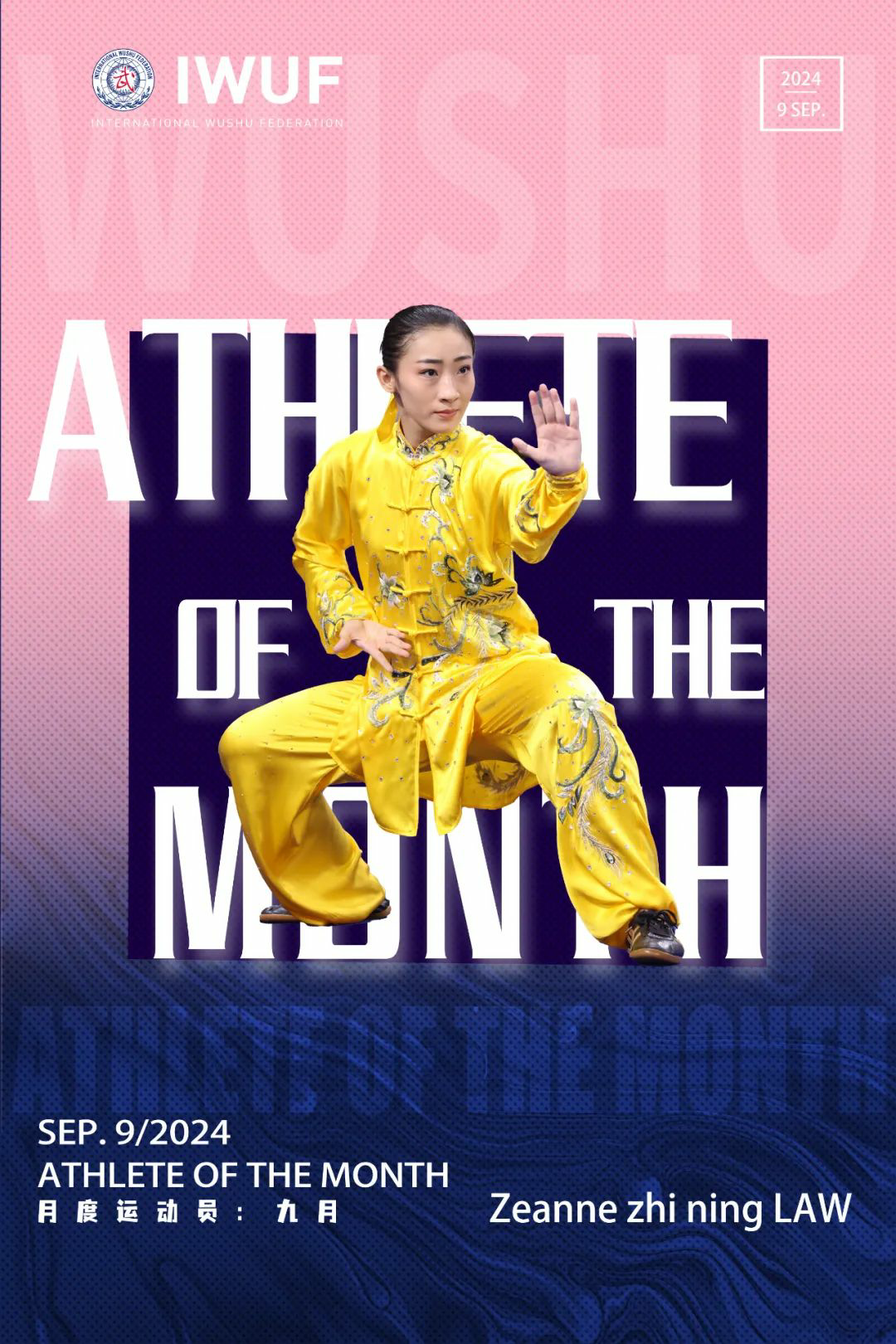





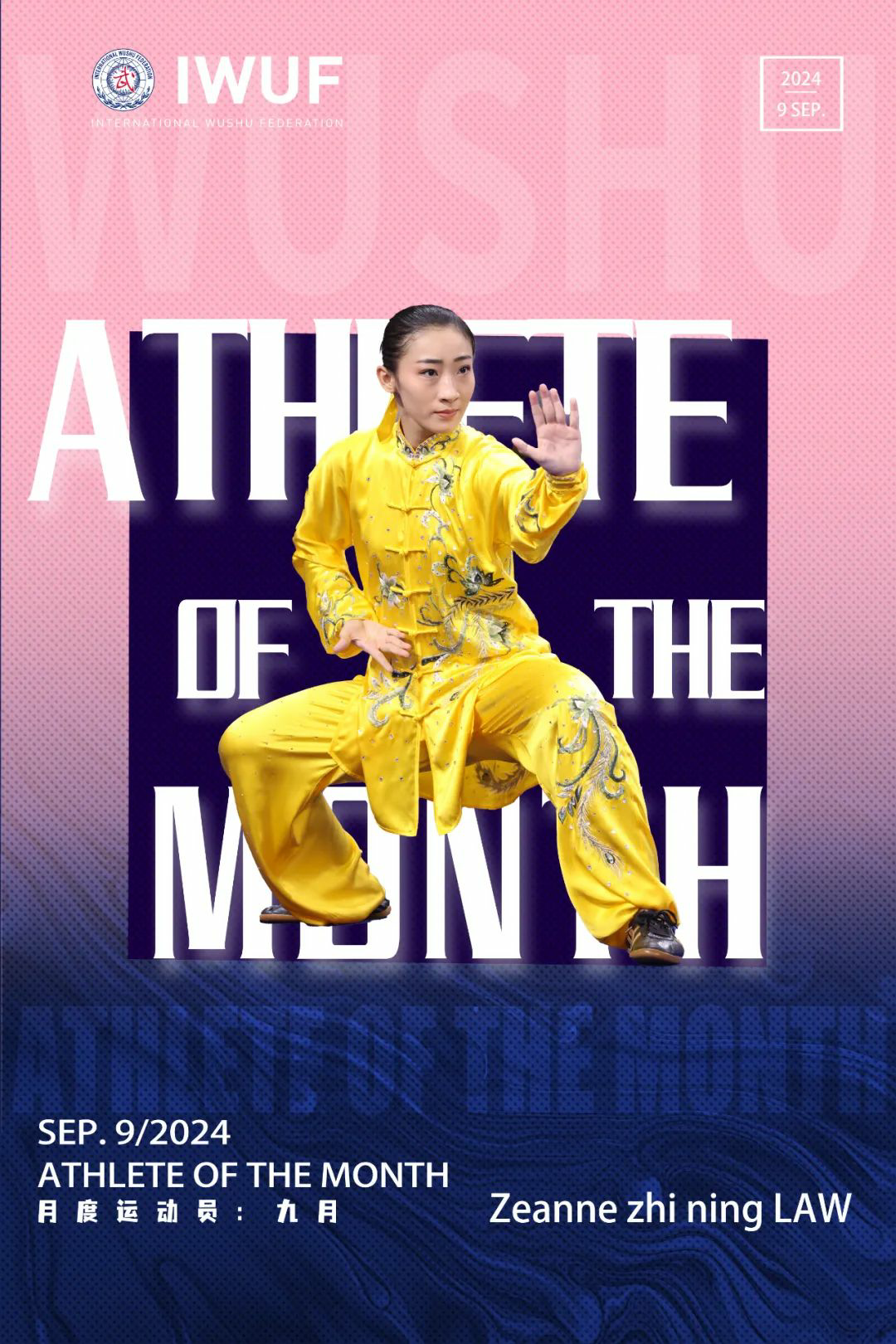
Singapore’s luminous young taiji champion Zeanne Law became a shining star when she won the gold medal in taijiquan at the 16th World Wushu Championships in 2023 in Fort Worth. And, to add a dramatic flourish, she won a silver medal in duilian there as well. Zeanne proved it was no fluke and she’s here to stay as she followed her world champion triumph with two gold medals at the 2024 World Taijiquan Championships in Singapore, in front of a cheering home crowd no less. She took first place in women’s optional taijiquan, and first place in women’s optional taijishan. Zeanne made her overseas debut only two years ago in 2022 at the 31st SEA Games at the age of 16, and finished 4th and 6th for her taijijian and taijiquan events respectively.
Wushu Beginnings
Zeanne, now 18, hails from Singapore, and she was first introduced to wushu when she was 9 years old, during primary school. “What initially caught my attention,” she recalls, “were the impressive jumps and flips that are such an integral part of wushu performances. It seemed cool and exciting, and I was instantly drawn to it. I decided to join wushu as my co-curricular activity in school, not knowing that it would become such a big part of my life. At that time, wushu wasn't a particularly popular sport among youths in Singapore, so the community was quite small. However, the uniqueness of the sport, with its blend of martial arts, was what really appealed to me.”
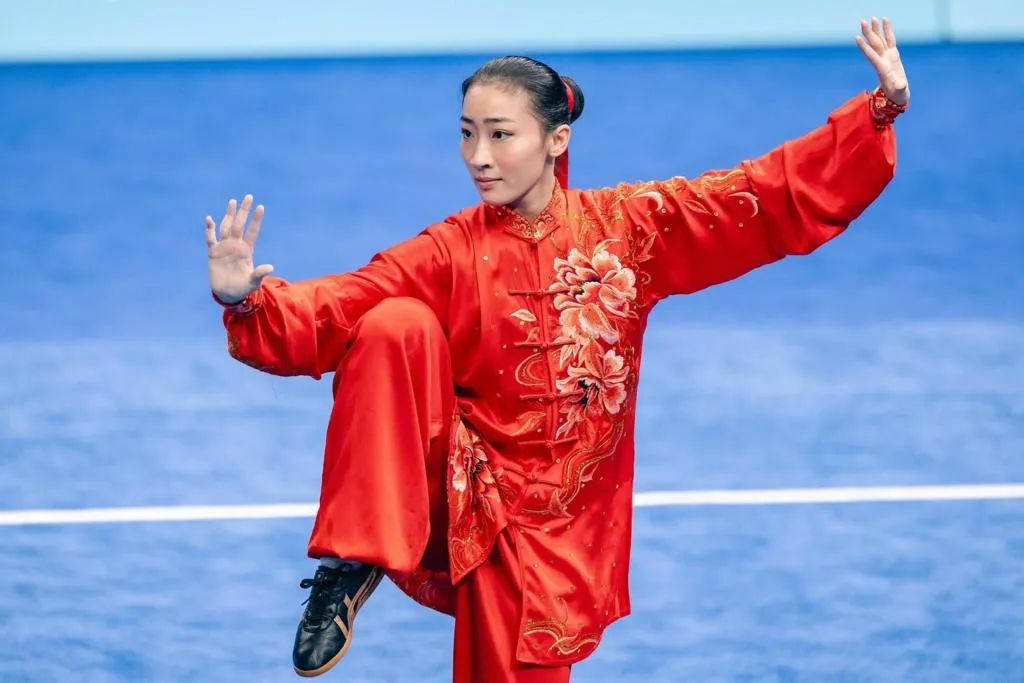
Zeanne notes that her early training was challenging, especially as a beginner. “There were many occasions,” she says, “when I felt like giving up and trying other sports. I remember my parents and grandmother having to trick me into attending training sessions by offering me candies -- it was their way of keeping me motivated when things got tough. Learning the basics of wushu required a lot of patience, discipline, and effort, and at that age, it wasn’t easy to stay committed.”
But committed she remained, and began to look to competitions to give her the experience she needed to progress in wushu. “I started competing in inter-school events when I was 11,” she remembers, “and then in national championships when I was 13. Each time I stepped onto the competition carpet, I felt completely overwhelmed by the atmosphere. The pressure of performing well in front of an audience and judges was intense and I often made mistakes during those early competition days.” However, she adds, “Those experiences were invaluable. They taught me how to manage nerves, focus under pressure, and persevere through challenging situations. Not always winning in those competitions also humbled me. It helped me shift my mindset from being purely result-oriented to become more process-oriented. I began to appreciate the hard work and dedication required to improve, regardless of immediate outcomes. This became crucial as I transitioned to senior events, where the stakes were higher and the competition tougher.”
International Debut
Zeanne made her international debut in 2022 at the 31st SEA Games at age 16, and impressively finished 4th and 6th in her taijijian and taijiquan events respectively. As she looks back on this experience, she says, “My overseas debut was a significant milestone for me as it marked the beginning of my journey competing at international levels as well as senior games. Finishing 4th and 6th in my event allowed me to gauge my standing among top-tier athletes in Southeast Asia. Being the youngest debutant from Singapore during that competition came with its challenges - I was a blank piece of paper with no experience in international competitions. However, I was fortunate to have an incredible support system. My family, federation and teammates provided immense guidance and encouragement, which gave me the confidence to push myself even further. This experience not only motivated me but also deepened my desire to keep improving and to represent my country with even more determination.”
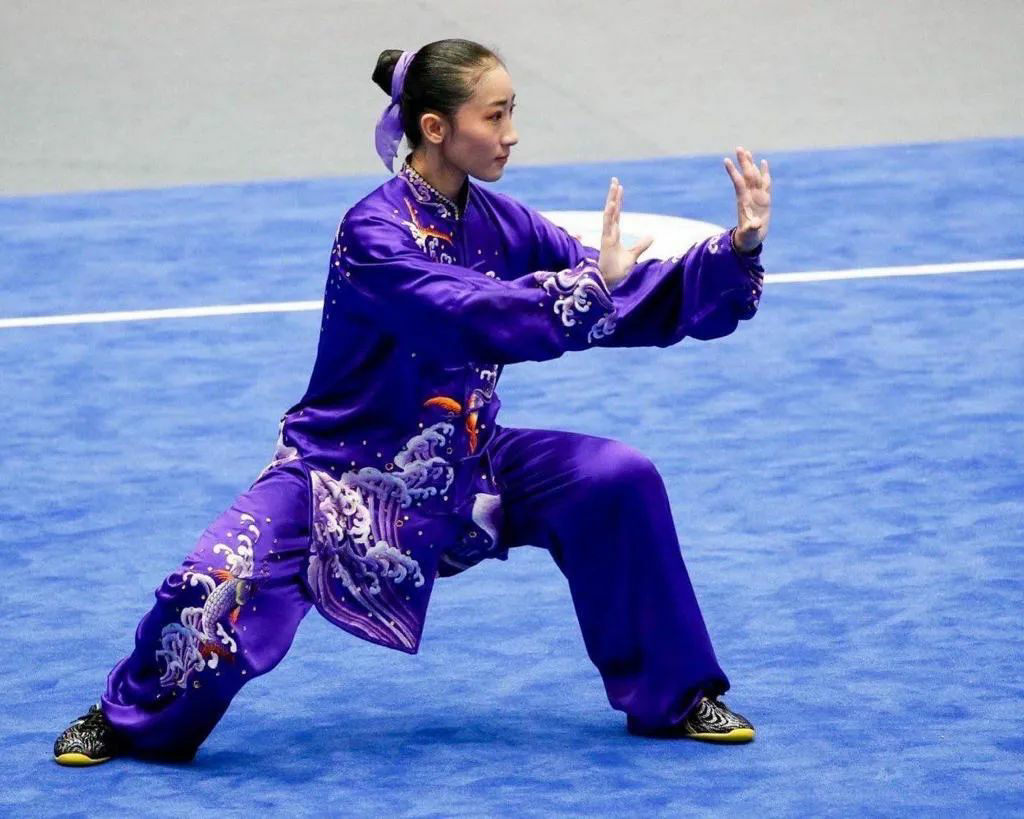
Newly energized and inspired, Zeanne’s next big challenge would be at the 19th Asian Games in Hangzhou in September 2023. She says, “The Asian Games in Hangzhou was a deeply impactful experience for me. Competing alongside athletes I've admired since the beginning of my taiji journey felt surreal. I was both excited and nervous to finally share the competition floor with them. The taiji events being combined added another layer of challenge, requiring consistency across the discipline. While a mistake in my taijijian event affected my final ranking, causing me to drop several placings, it was a great learning opportunity for me to refine my skills and routine. On the bright side, my performance in the taijiquan event earned me a place on the podium, which I was incredibly happy about regardless of the final outcome. My Asian Games experience helped me to see my strengths and flaws more clearly. Facing world-class athletes in this competition sharpened my competitive edge. Overall, it was a valuable stepping stone in my wushu journey.”
Triumph at the 16th World Wushu Championships
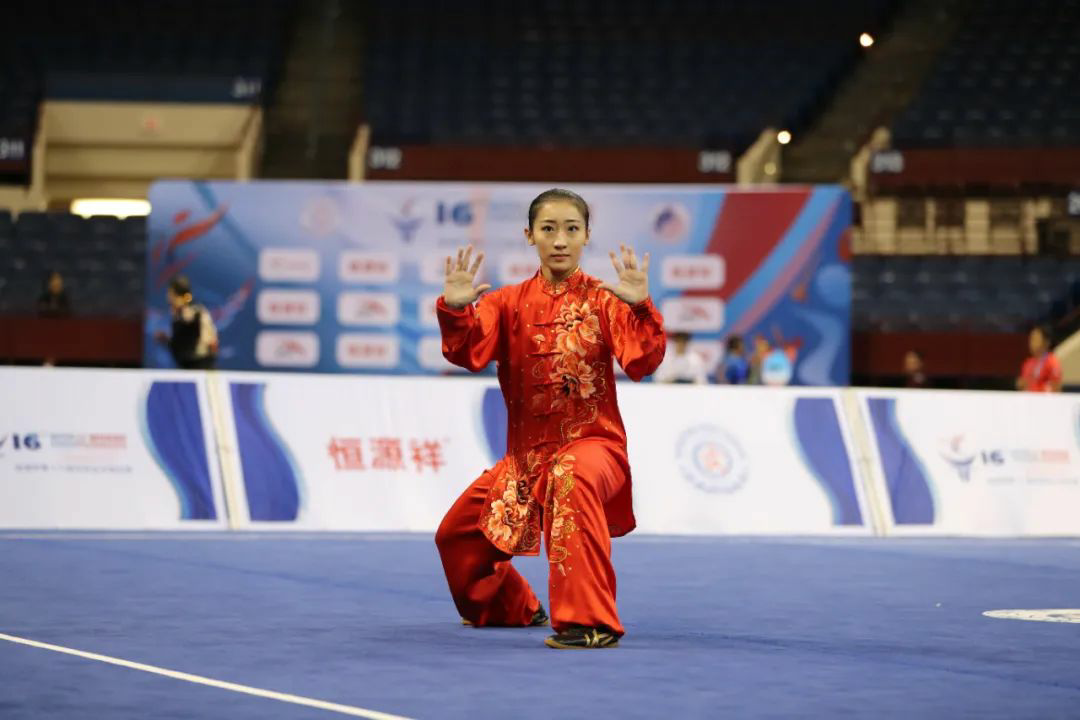
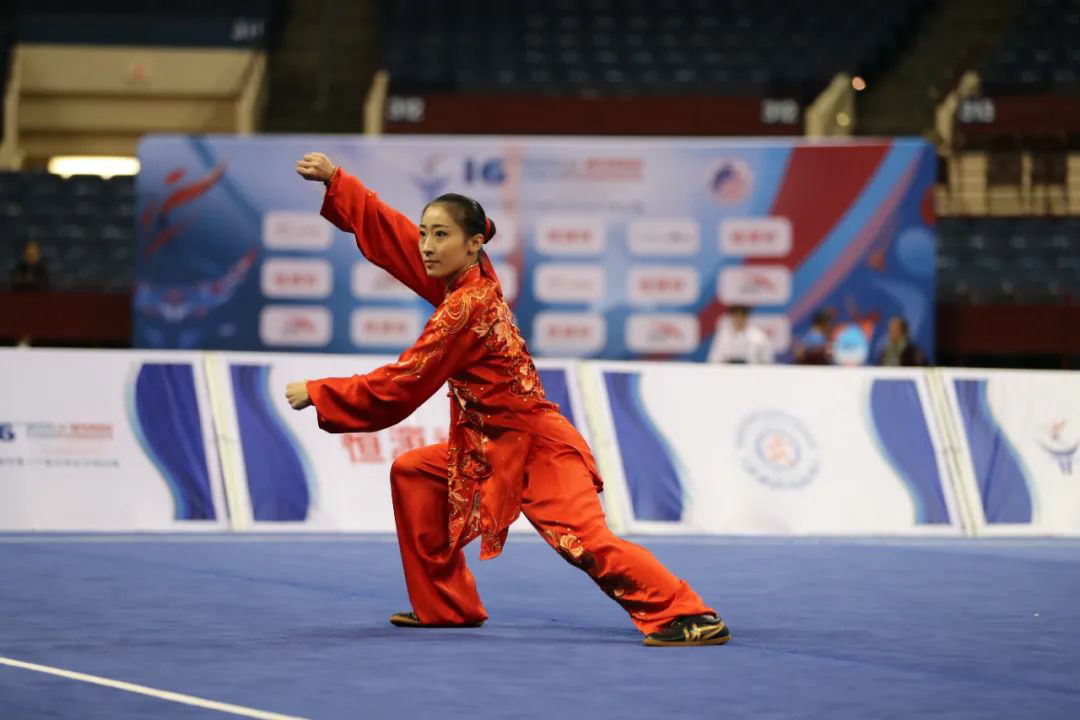
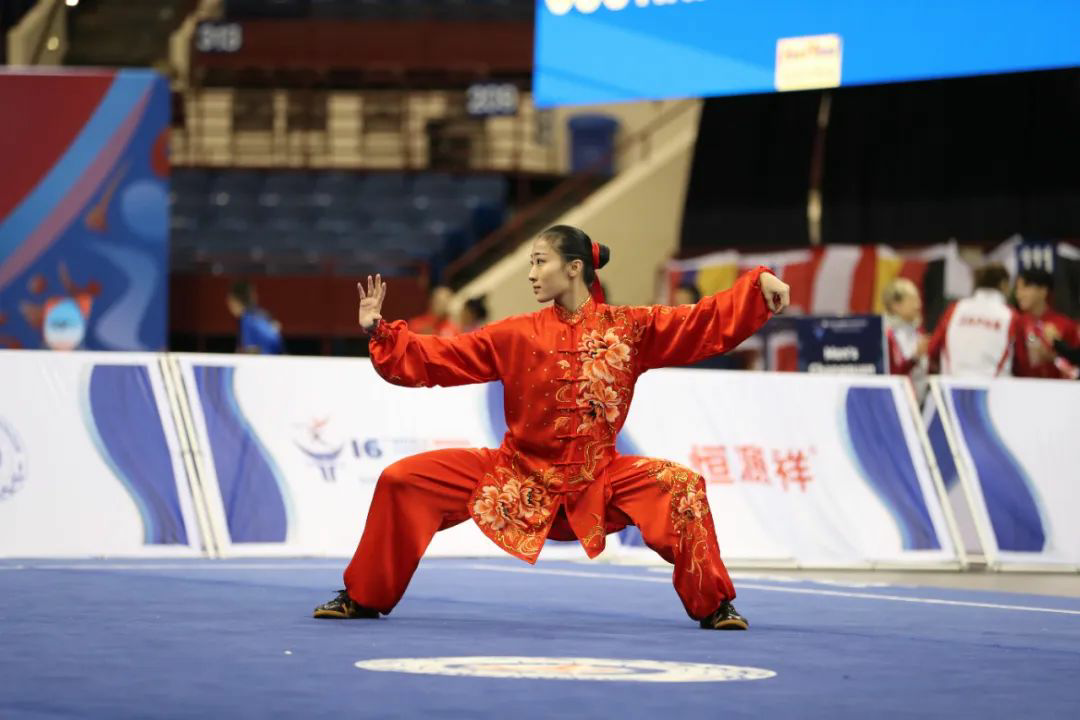
Despite her disciplined training, calm and confidence, even Zeanne could not fully know the golden path that lay ahead of her as she trained for the 16th World Wushu Championships in Fort Worth. Amidst a daunting field of the world’s top taiji athletes, Zeanne elegantly and masterfully battled her way to the gold medal in taijiquan.
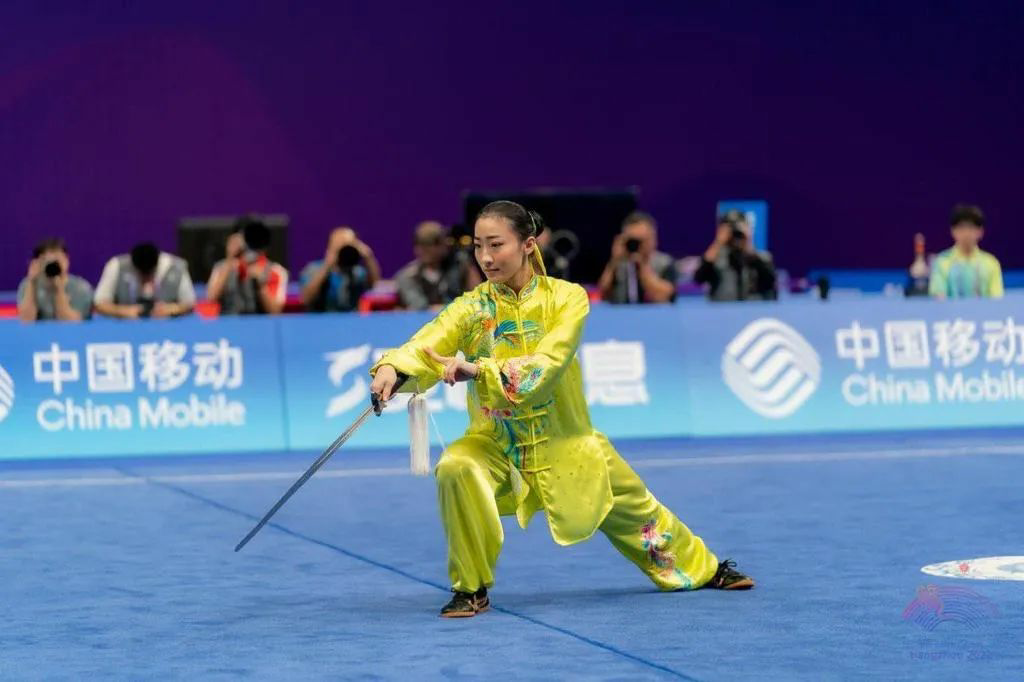
She says, “Winning the gold medal at the 16th World Wushu Championships in Fort Worth was an incredible and unforgettable experience. Going into my first World Championships, I felt more prepared and confident than ever before. The earlier competitions of the season, especially the Asian Games, had equipped me with valuable lessons on how to fine-tune my training and competition strategy.” Zeanne adds, “Traveling to the USA with the Singapore team was both exciting and motivating. It felt special to represent my country on such a grand stage. Knowing that we were up against some of the best athletes from around the world made the stakes even higher. My competitors were of an extremely high level, but I approached the event with the mindset of focusing on my own performance rather than getting too caught up in the competition.”
During the event, Zeanne was one of the first few athletes to compete. “This meant I had a long, intense wait before knowing my final result,” she remembers. “The waiting game was nerve-wracking, and it felt like time slowed down. When the final results were announced and I knew I had won the gold medal, it was a surreal moment. There was an overwhelming sense of relief, but also disbelief, as it was something I had only dreamed of before. Initially, I managed to hold in my emotions, but when I saw my family tearing up in the crowd, it all came pouring out. The emotional weight of seeing the Singapore flag raised and hearing the anthem as a world champion was indescribable. It was not just a victory for me but for everyone who had supported me along the way.”
If there could be a diametrical opposite to taijiquan, it might be duilian. Amazingly, and to the delight of her family, team and the entire audience, Zeanne also won a silver medal in duilian at the WWC as well! She says, “Winning the silver medal in duilian at the World Wushu Championships was another incredible moment, but it felt different compared to taijiquan. Duilian is a dynamic and high-speed event, which contrasts greatly with the graceful and introspective nature of taijiquan.”
What attracted Zeanne to such a different aspect of wushu? “What drew me to duilian,” she says, “was the challenge of working in perfect harmony with my teammates while executing intricate, fast-paced techniques. The teamwork aspect brought a different kind of excitement – knowing that we had to trust each other completely and deliver a flawless performance as a unit. It was tough balancing the training for both duilian and taiji, as they are vastly different in terms of pace and energy, but I was able to manage it by structuring my sessions carefully and along the way, my duilian teammates were also very encouraging and helpful so it made the whole process very enjoyable.”
Challenges and Celebration
Zeanne was faced with tough choices and a demanding schedule as the WWC loomed. “Preparing for the 16th World Wushu Championships,” she says, “was especially challenging because it coincided with a crucial period in my academic life. As the competition was near the end of the year, I had to balance both my wushu training and my national examinations, which made the preparation harder than for earlier competitions in 2023. One of the toughest decisions I had to make was taking a break from training a week before the competition to focus on my exams. It was a difficult choice because I had to ensure that my stamina and conditioning remained strong despite missing training sessions.”
But the pressure and hard work made the reward that much sweeter. “After the competition,” Zeanne says,”the celebration was a mix of joy and relief. The whole team and I were elated, and there was a great sense of accomplishment after such a demanding year. My coach and teammates were incredibly supportive throughout the preparation, and their reaction after the win was pure pride and happiness. My coach had seen the struggles I went through with balancing academics and sports, and knowing that we pulled through made the victory even more meaningful. The team celebrated together, and it was a moment of shared triumph after all the hard work we had put in.”
Turning Pressure into Gold
Less than a year after her World Championships triumph, Zeanne would find perhaps an even greater challenge – defending her world champion top standing in front of a hometown audience at the 4th World Taijiquan Championships 2024 in Singapore. Talk about pressure! Nevertheless, she rose beautifully to the occasion, channeled her nervous energy, and won first place in Women’s Optional Taijiquan, and first place in Women’s Optional Taijishan.
Looking back on the event, Zeanne says, “Competing in my home country, with so many friends, family, and a home crowd cheering for me, was both an honor and a source of pressure. I was deeply grateful for their support, but I also felt worried that I might not be able to live up to expectations and defend my title on home ground. The weight of wanting to do well for Team Singapore, and not let down those who had come to support, was on my mind. That nervousness, however, became a driving force. I used the pressure to fuel my determination to give it everything I had. Facing some of wushu’s top taiji competitors was always a test of skill and composure, but knowing that I had the backing of my home country gave me the motivation to stay focused and do my very best.”
Singapore Wushu Scene
We asked Zeanne how she sees wushu developing wushu in Singapore and Asia in the next decade, and what are the biggest challenges? “In the next decade,” she replies, “I see wushu continuing to grow in both Singapore and across Asia, becoming more recognized not just as a traditional art but as a competitive sport with international appeal. The increase in youth participation, especially in Singapore, is encouraging, and I believe this will contribute to the development of a stronger wushu community.”
She continues, “One of the biggest challenges for wushu in Singapore is the perception that it's not a viable long-term sports pathway. Many people tend to stop pursuing wushu after reaching a certain age, often due to concerns about balancing academics or the belief that wushu doesn't offer enough opportunities for professional or competitive success. Changing this mindset is key to retaining more athletes as they grow older.”
Zeanne adds, “On the other hand, one of the biggest achievements for Singapore wushu is the steady increase in youth involvement and the growing support for wushu as a serious sport. With more students like myself taking part and excelling in international competitions, it's starting to shift perceptions and show that wushu can be both rewarding and viable for athletes. If we continue building on this momentum, I believe Singapore can further establish itself as a strong force in the wushu scene.”
Now 18, Zeanne will be too old for the upcoming YOG in Dakar, but she says, “I'm very happy for the youth athletes who will get the chance to compete in the 2026 Dakar Youth Olympic Games. I missed my opportunity to take part, so it would be amazing to see young Singaporean wushu athletes on such a grand stage. Hopefully, this inclusion will inspire more youths to take up wushu and pursue the sport seriously. It’s a huge step forward for wushu, and I’m excited to see how it will grow from here.”
Wushu Life -- Rewards
The life of an athlete brings its own special rewards and challenges. Reflecting on this, Zeanne says, “I've made some great international friends through wushu competitions, and I'm happy that we stay in touch even when we don't see each other often. We usually bring souvenirs from our home countries and exchange them whenever we meet at competitions, which is a nice tradition that helps keep our bond strong. It’s great to be able to connect with athletes from different backgrounds who share the same passion for wushu. We all get along really well and support each other, especially when traveling for competitions, which creates a sense of camaraderie beyond just competing.”
She continues, “Being part of the Singapore Wushu team is also a special experience. Traveling with the team means having a close-knit group to lean on for support, and we often help each other out, whether it’s during training or outside of competition. There's a strong sense of community within the team, and I feel lucky to have teammates who are like a second family to me, especially when we travel abroad for events.”
Turning Pressure into Gold
Zeanne notes that performance anxiety is perhaps her greatest challenge. “The biggest obstacle I’ve had to overcome in my wushu career is the fear of messing up, especially in competition. I used to put so much emphasis on perfecting my landings and trying to avoid mistakes that it would sometimes become overwhelming. Ironically, the times when I performed my best, including landing well, were usually when I didn’t overthink it and just focused on executing the techniques naturally.”
She adds, “This ties into overcoming my previous result-oriented mindset. In the past, I would get caught up in the pressure to achieve a certain outcome, which added unnecessary stress. Shifting my focus from the result to the process has been a major turning point for me. It allowed me to enjoy the sport more, trust in my training, and ultimately perform better in competitions.”
As a teenager, the Covid pandemic loomed large in Zeanne’s developing sports career. Perseverance and staying focused helped get her through it, and the results at the end of the long Covid tunnel proved her attitude was a positive and fruitful one. “I couldn't go to training regularly like I used to,” she recalls of pandemic training, “so I had to adapt by exploring alternative ways to stay engaged and active. I got myself a carpet to practice jumps and execute difficulties. This helped me maintain my skills and stay in shape even when I couldn't access a full training facility. I participated in online wushu competitions during this period. These online events allowed me to stay connected with the wushu community and continue competing despite the restrictions on physical gatherings.”
A Love of Taiji
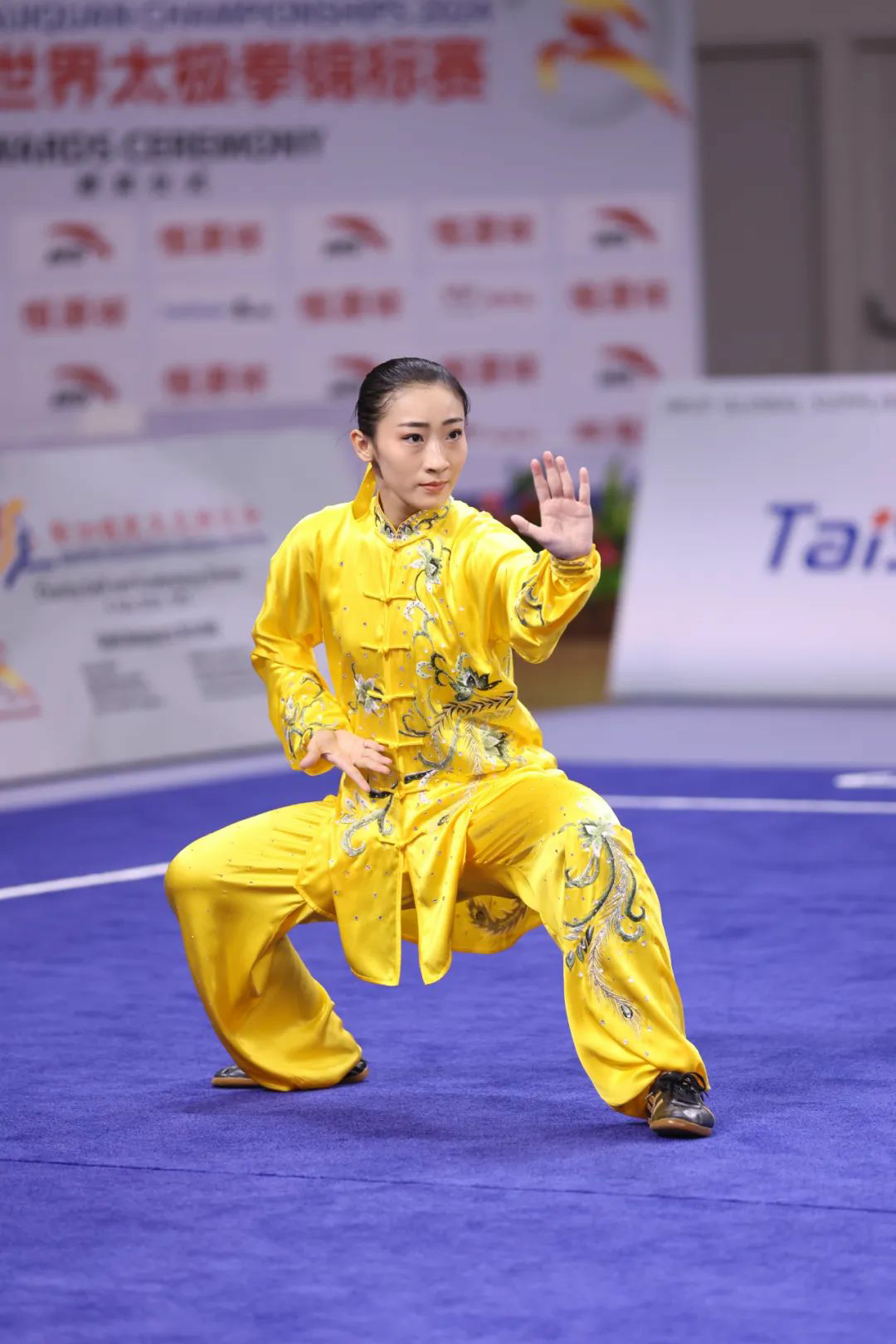
We asked Zeanne what attracted her to the styles of taiji, and which is her favorite? She answers, “I specialize in taijiquan, taijijian, and taijishan, each of which brings something unique and exciting to wushu. What attracted me to these taiji styles was their blend of grace, precision, and power. My favorite, though, has to be taiji shan. I was initially drawn to it because I love the crisp and satisfying sound the fan makes when it opens. I also like how the fan allows for more varied movements and techniques. The versatility of taiji shan, combined with its aesthetic appeal, makes it a style that resonates with me.”
Each Routine a Piece of Her Heart
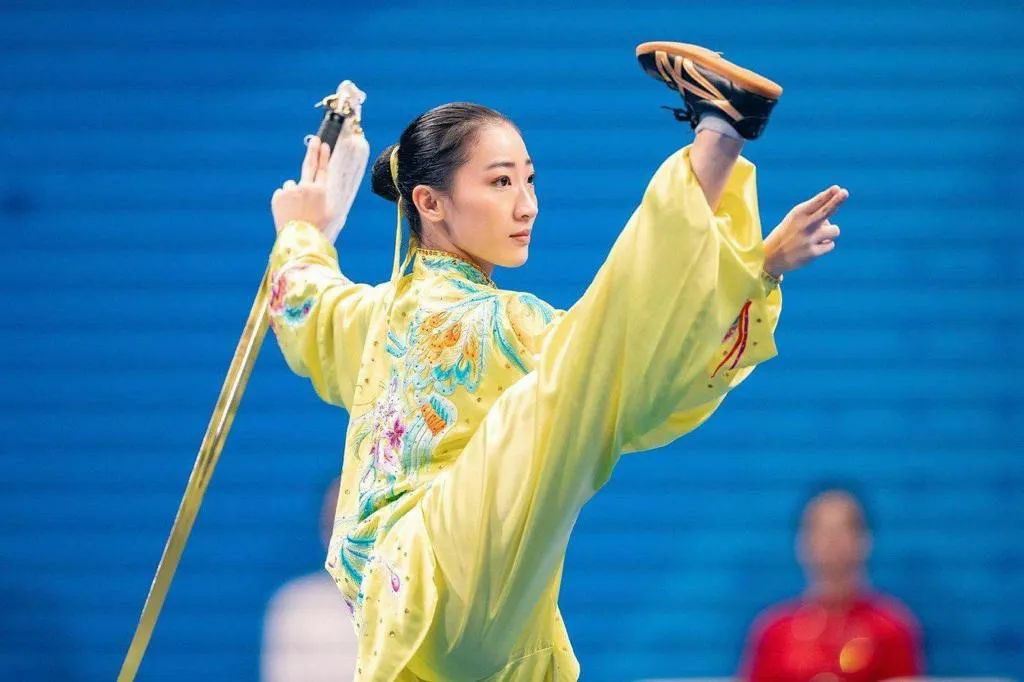
What’s the best part of being a wushu athlete we asked? Zeanne replies, “The best part of being a wushu athlete for me now is that I get to choreograph my own routines. Every routine I showcase on the international stage is truly a piece of my heart. It’s incredibly rewarding to perform something that I’ve personally crafted, where every move and technique reflects my own creativity and dedication. The most rewarding part of it all is the personal connection I have with each performance—delivering something uniquely mine, knowing I’ve invested so much into it, is a feeling that’s hard to describe but deeply fulfilling.”
Zeanne gives much credit to her school for her success. “The Singapore Sports School has been an integral part of my career,” she says. “They provide me with facilities that couldn't be found in other schools in Singapore and they also offered a lot of flexibility in my curriculum to better help me manage my commitments. My coaches have also had a significant impact on my career. They’ve been instrumental in shaping my mindset and how I approach various aspects of wushu and competition. Their guidance has helped me develop not just as an athlete but also as a person.”
She adds, “As for training outside of Singapore, I have had the opportunity to train abroad in China on several occasions, which has been an enriching experience. It exposed me to different training environments, techniques, and styles, and allowed me to learn from various coaches and athletes. This exposure has been beneficial in broadening my perspective and enhancing my skills.”
Wushu, Family & School
Zeanne says that her family has been incredibly supportive throughout her wushu journey. She explains, “I think a big part of that is because they genuinely enjoy watching the sport. Their enthusiasm and constant encouragement have played a huge role in motivating me, especially during tough times or before major competitions. Knowing that they are behind me every step of the way has made all the difference.”
“Outside of wushu,” Zeanne says, “my focus is on academics, and I study from morning till afternoon, with training sessions in the evening. Since I attend the Singapore Sports School, my academic schedule is more flexible, which allows me to dedicate more time to training compared to a typical student. However, it can still be quite challenging because exam season often overlaps with competition season, making the second half of the year especially busy. Balancing both is tough, but the flexibility provided by my school helps me manage it all.”
Looking Ahead – Wushu Goals and Dreams
With so many accomplishments at only 18 years of age, what’s next for Zeanne? For one thing, the 17th World Wushu Championships are closing in on the horizon next year. She states, “I plan to do my best to qualify for the next World Wushu Championships in 2025 in Brazil. By then, I believe I will have matured further and improved my skills, and I’m excited to see how much I’d have grown as an athlete. At this point, I don’t feel the pressure to defend my world champion title just yet. I’m focused on giving my best in each upcoming competition and continuing to develop my abilities.”
On another level, Zeanne also has philosophical thoughts regarding wushu. “Ever since I joined the national youth team, wushu has been a huge part of my life,” she says. “It has certainly taken up much of my social life, but every decision comes with a price, and I don’t regret choosing to stay with the team and continue pursuing wushu. Through competition, I’ve learned to stay adaptable; through training, I’ve learned the value of hard work; and from the mistakes I’ve made in competitions, I’ve learned to embrace change, overcome adversity, and move forward with more confidence.”
She adds, “Promoting the development of Singapore wushu is absolutely something I’m passionate about because it is important to me to give back to the community after all the support I've received. I actively volunteer to participate in wushu performances during Chinese New Year and other festive seasons. These opportunities allow me to showcase the sport and help more people appreciate and understand wushu.”
Finally, she says, “Looking forward, my ultimate goal is to podium at the Asian Games for Singapore. I will keep working on improving my routines and techniques, and hopefully, one day, I’ll have the opportunity to pass on what I’ve learned by teaching other athletes. I want my legacy in wushu to be one of perseverance, growth, and love for the entire journey.