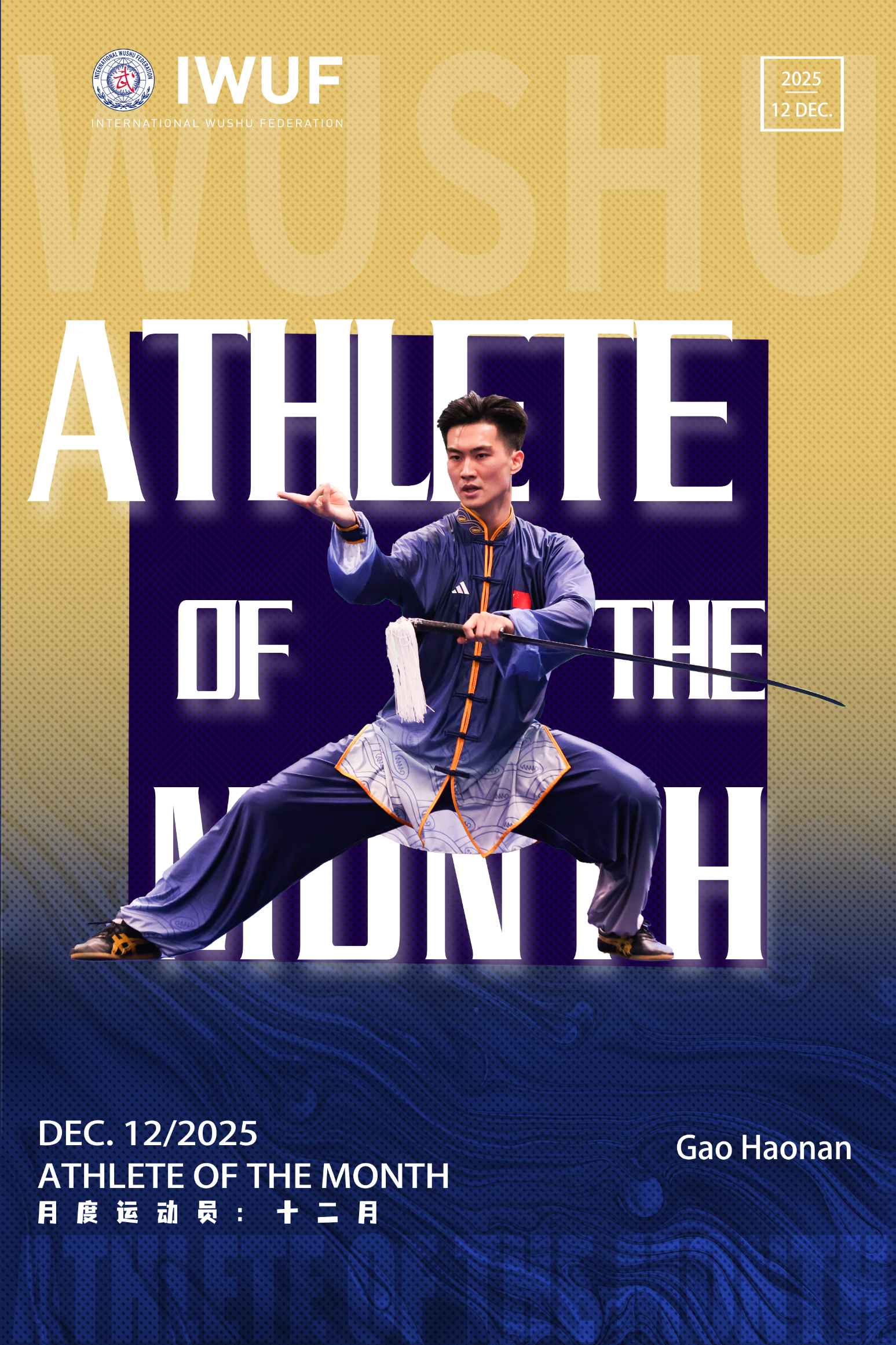





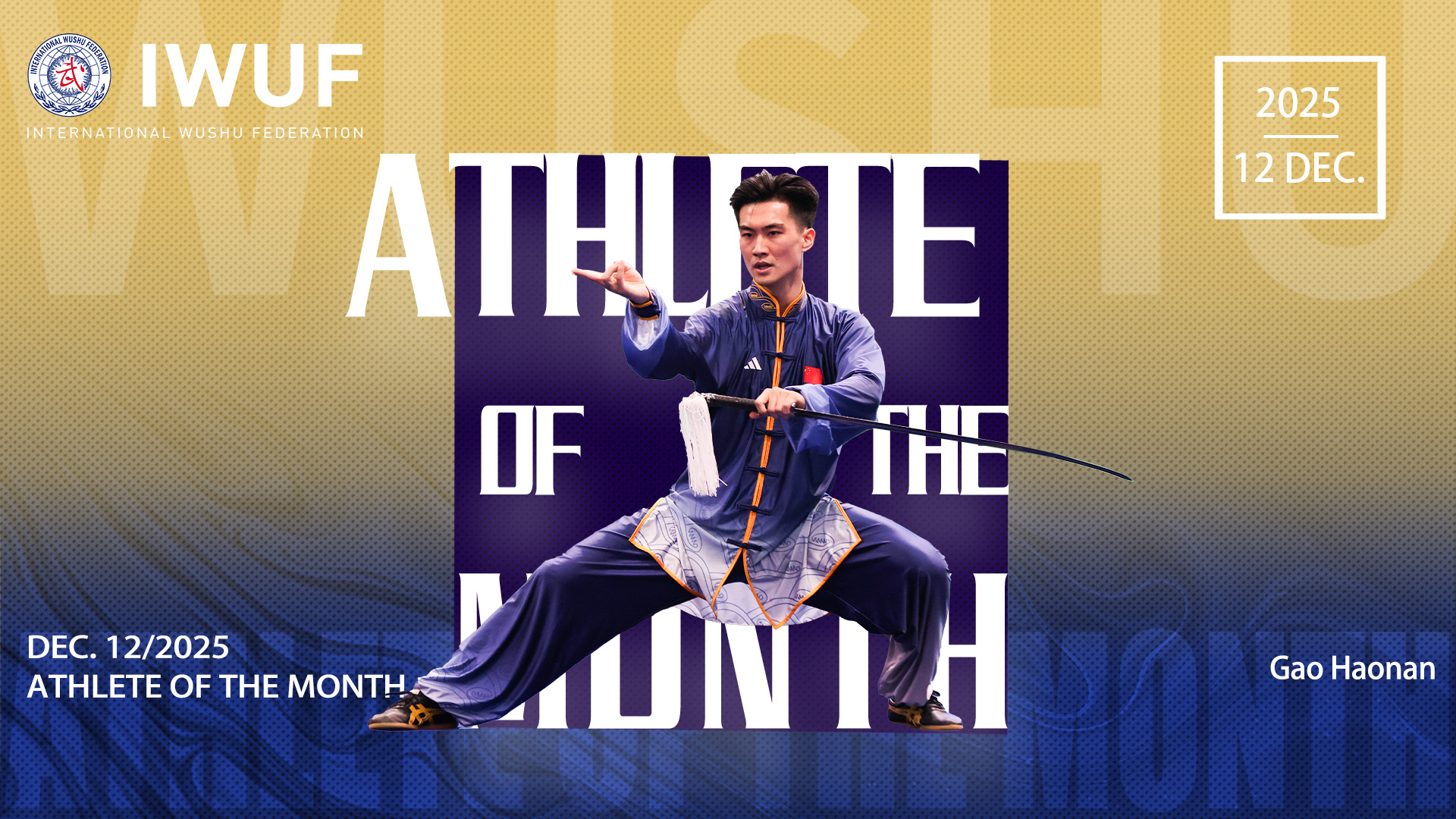
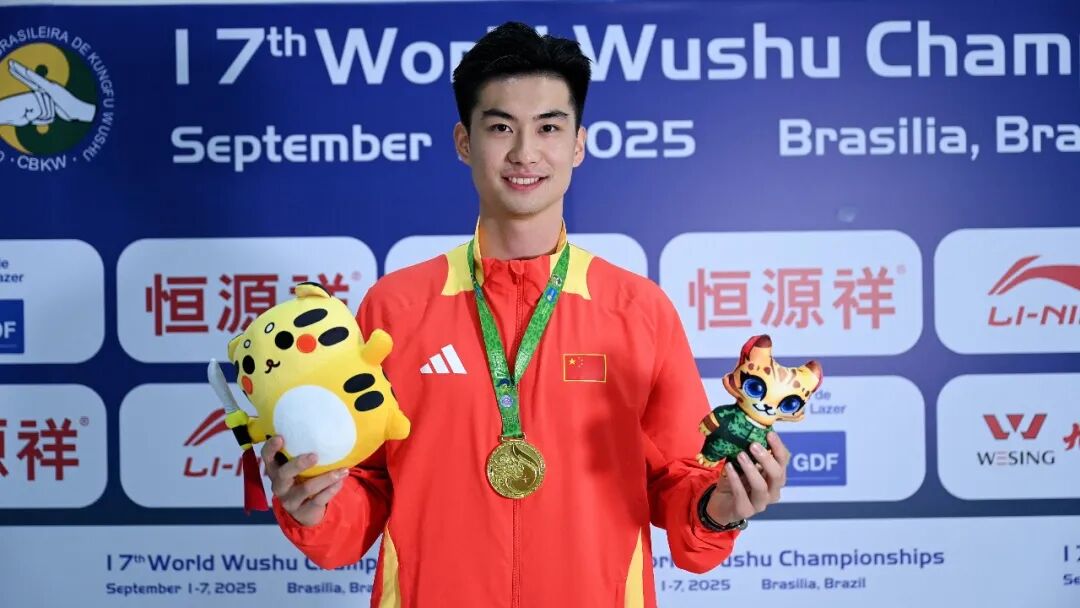
When he was four years old, Gao Haonan chose wushu without hesitation among the hobbies his parents offered, thus launching his wushu career. Before receiving professional training, a seed of the dream to become a champion was planted in his young heart, hoping to stand on the podium one day and hear the national anthem played. Over the course of 21 years of wushu training, he has remained diligent and persistent, with his skills and understanding constantly improving. He was particularly attracted to taijiquan and taijijian. Since he began competing at the age of seven, over the past 18 years, he has won more than 20 gold medals in domestic and international competitions. He has won the men's taijiquan event at the National Wushu Taolu Championships four times. In 2023, he won the gold medal in the taijiquan and taijijian all-around event at the 19th Asian Games. In 2024, he won the taijiquan champion at the 10th Asian Wushu Championships. The year 2025 was especially fruitful for him, as he not only won the taijiquan championship at the Wushu Taolu Asian Cup but also claimed the world championship title in the taijijian event at the 17th World Wushu Championships. For Gao Haonan, wushu has had a profound impact on his life, not only shaping his physique but also refining his character. It has taught him perseverance and humility, always reminding him that no matter how many achievements he has made, he should remain humble, keep learning, and continue to progress.
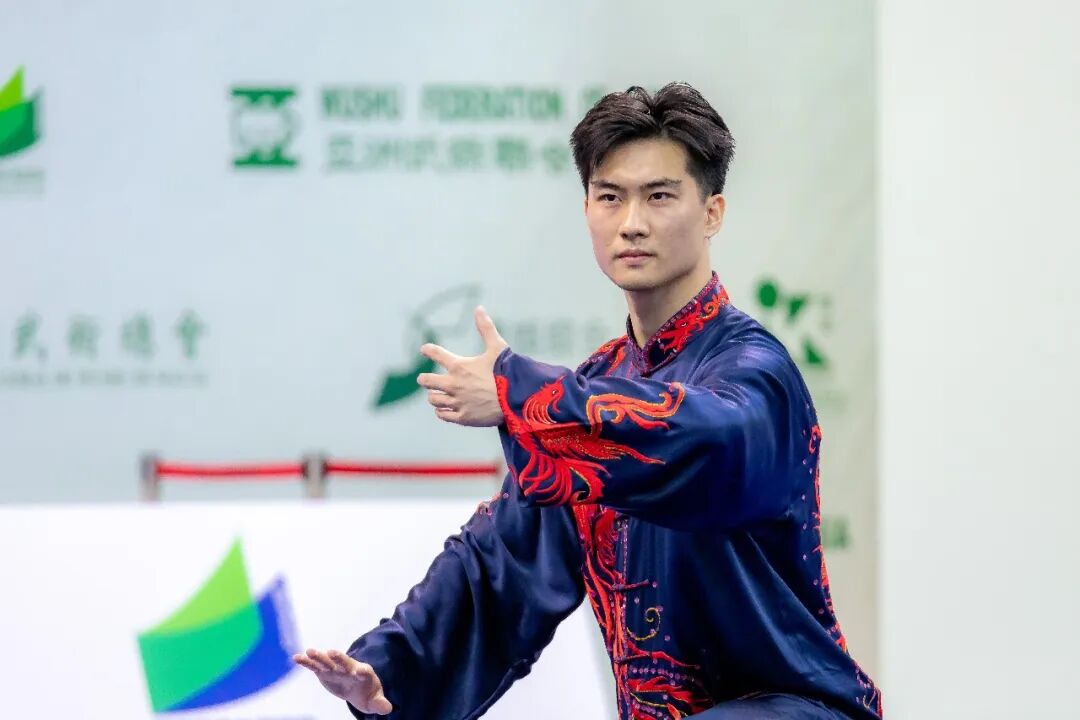
Choice ·Talent ·Persistence
Gao Haonan, 25, is from Fujian, China. When asked about how he got involved in wushu, he recalls: "When I was four years old and lived with my parents in Xiamen, my parents gave me several options for hobbies, including wushu, Go, Taekwondo, and painting. There were several interesting classes for me to choose from. And for some reason, I didn't hesitate and chose wushu without any complicated reasons. Maybe it was just a natural love. Later, due to my parents' job changes, the whole family returned to their hometown Fuzhou. Before returning, the coach in Xiamen told my parents not to let their child give up this path because the coach thought I had a certain talent in wushu . So after returning to our hometown, my parents re-enrolled me in a class to continue practicing wushu."
Haonan remembers, "At that time, it was the first time to leave my parents and live alone in such a distant place. Every day, I underwent systematic and strict training. I was only 7 years old then. Every day, I also practiced boring exercises, basic skills, stretching, some wushu routines, and sometimes even some physical training. Those days were really tough." He paused and continued, "When I look back now, I don't know exactly how I managed to persevere at that time. Those days, from Monday to Friday, training was in the afternoon and evening, and on Saturdays, I had to train all day. I had to ensure three hours of training each day, from 2:30 p.m. to 5:30 p.m., and sometimes I needed to train for another two and a half hours in the evening. From life to training and learning, I had to do everything by myself.”
Role Model ·Understanding ·Growth
Regarding his experience of being selected into the Fujian provincial wushu team at the age of 11, Haonan says, "The time spent training in the provincial team was a crucial turning point in my wushu career. The training duration and intensity in the provincial team were completely different from those at Fuzhou Sports School. Moreover, everyone's professional skills and understanding of wushu had a significant impact on me at that young age. So, at that time, I was rather self-conscious, but I also had the urge to keep up with them. By realizing the gap with my teammates, I would become even more determined to devote myself to training."
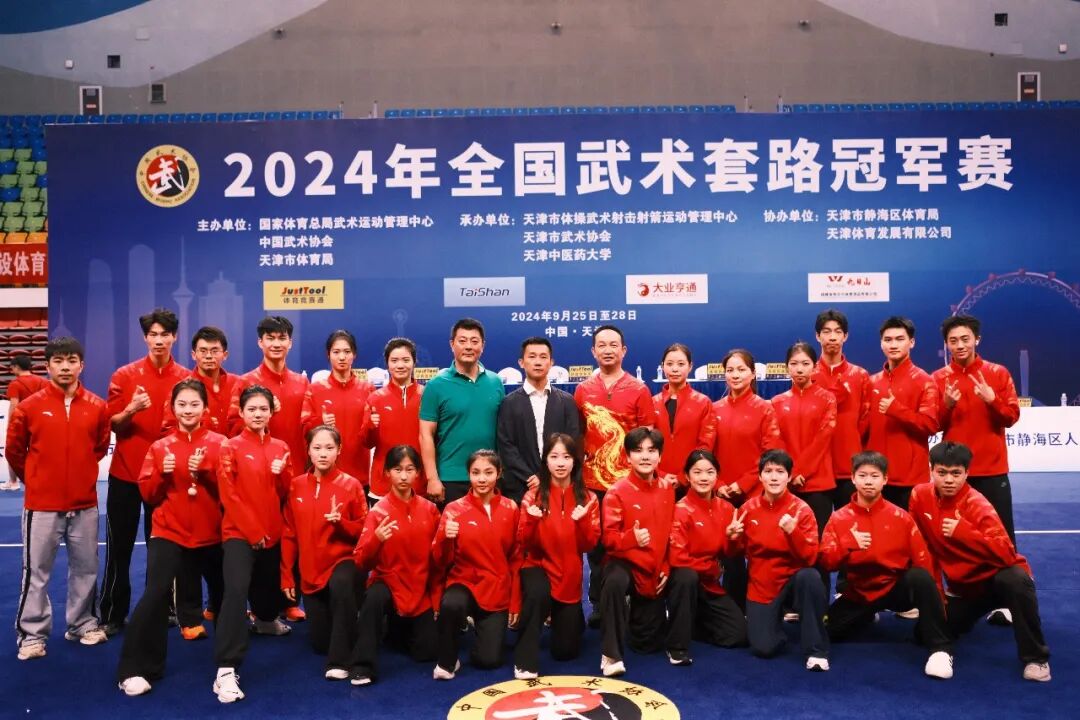
When asked why he chose taijiquan and taijijian as his specialty, Haonan thinks for a moment and replies: "In my opinion, taijiquan and taijijian are not just wushu events; they also embody the philosophical thoughts of Chinese traditional culture. Every move and posture has its own meaning. It seems gentle and slow, but in fact, it is a combination of hardness and softness, a synthesis of stillness and movement. It requires strict control over strength and rhythm. Especially the training style of it - there are both slow and fast movements, and it does not pursue exaggerated performance, but rather a more restrained and serene expression. This is precisely what fascinates me about taiji."
He continues, "Apart from that, the senior members of the provincial team, their demeanor both in life and during training, have also served as a great role model for me. That sense of concentration and composure is quite different from that in other sports, which has drawn me in since childhood and made me aspire to be like them. Of course, another very important factor was that the coach, considering my body type, flexibility and comprehension ability, suggested that I choose taiji as my sport. This further strengthened my determination to pursue it. taiji has a profound history and is something I should keep learning and exploring."
Refinement ·Transcendence ·Transformation
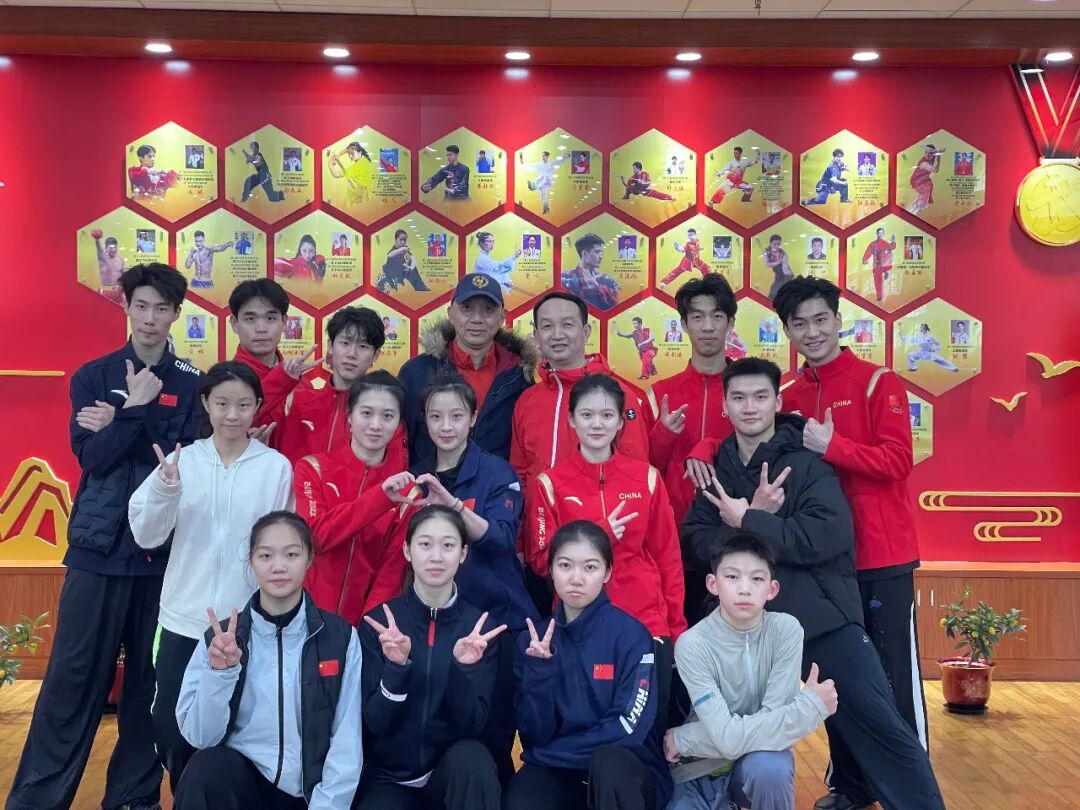
Regarding his 21-year training career, Haonan says, "On the path of professional training, practicing wushu - whether it's basic skills or taiji-specific techniques - is actually very boring. One needs to repeatedly refine every movement and every set of routines, meticulously focusing on every detail under extremely intense training conditions. This process is already very difficult to persist in. What's even more challenging is that I once suffered a relatively serious injury. At that time, my knee meniscus was damaged, causing my leg to be unable to fully extend or fully squat. The pain was so intense that it almost made me want to give up. The boring training, combined with the torment of the injury, made my mindset temporarily very low and I was very irritable. But in the end, my family and teammates were always by my side encouraging me, allowing me to persevere. I often think of my childhood dream - standing on the podium and becoming a champion. It was these supports and thoughts that sustained me through the toughest days and ultimately helped me persevere."

Regarding that injury incident, Haonan explains, "In terms of the severity of the injury, the meniscus injury was not the most serious one. But at that time, my mindset, thoughts, and understanding were not yet mature enough, not as developed as they are now. In comparison, I also suffered a more serious injury two years ago, but at that time, I always held the thought in my heart: I can definitely recover fully. Under the influence of this mindset, I cooperated with the treatment and told myself to view this injury as an opportunity to make myself better. At that time, I believed that everything that happened was beneficial to me. Because of this mindset, that injury did not leave me in the same confusion and struggle as the meniscus injury did."
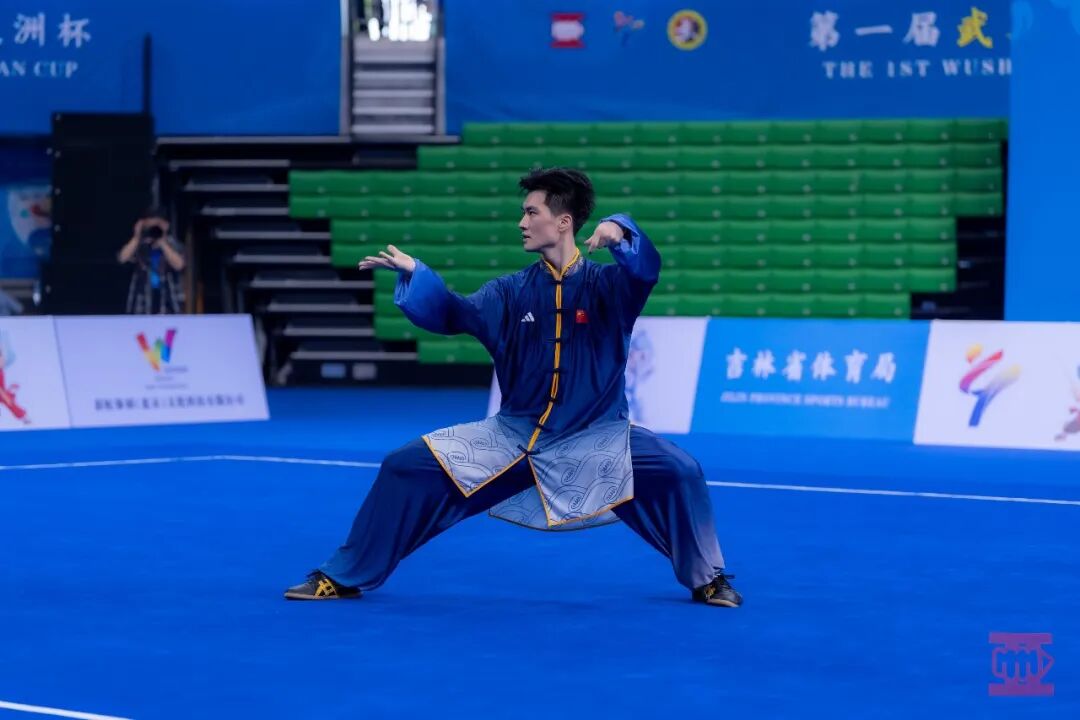
After winning every title imaginable, when talking about the first time winning a championship, Haonan says, "When I was young, I first represented Fuzhou City to participate in a competition. I was probably only around seven or eight years old. During that time, I trained at the Fuzhou Sports School. For me at that time, it was indeed both boring and exhausting. After training for so long, the first time I stepped onto the competition field, I actually had second thoughts. Before the competition, I cried to my parents and said, 'I don't want to practice anymore. I really can't keep going.' They didn't scold me. Instead, they calmly said to me, 'After this competition, if you really don't want to practice, we'll give up.' Just this sentence made me calm down. Since we had to compete, we should do our best. That time, I achieved a good result and also stood on the podium for the first time. Perhaps from that moment on, something quietly changed. For me, it was not just the result of a competition, but also the meaning of persistence. For the first time, that was something so truly reflected in my world."
Haonan continues, "The first time I represented the Fujian team to participate in the national competition, the feeling was quite unique. The sensation of standing on the field was very special. I was no longer content to merely represent the provincial team. A stronger desire welled up in my heart. I wanted to become better, so good that one day I could put on the national team's jersey and represent China in the competition. That impulse was buried deep in my heart from that moment on."
Championship ·Dream ·Blossoming
At the 10th Asian Wushu Championships in 2024, Haonan won the gold medal in the men's taijiquan competition. He recalls, "During that competition, the strength of the athletes from various Asian countries and regions was indeed much stronger. They brought me considerable pressure in terms of the delicacy of their movements and the precise control of the rhythm. Therefore, during the competition, I focused more on my own rhythm, striving to make each movement precise and complete, presenting every detail of the routine, and integrating it better with the music. Seeing the improvement in the overall level of everyone, I became more clearly aware that to maintain an advantage, one must continuously learn and keep improving. Their understanding of taiji and more internationalized expression methods also brought me many new inspirations. To be honest, before the competition, I was inevitably nervous, but when the music started, I was completely immersed in the expression of my routine. At that moment, all distractions disappeared, and the only thought in my heart was: On the field, fully present myself and present the taijiquan that I understand to everyone to the fullest."
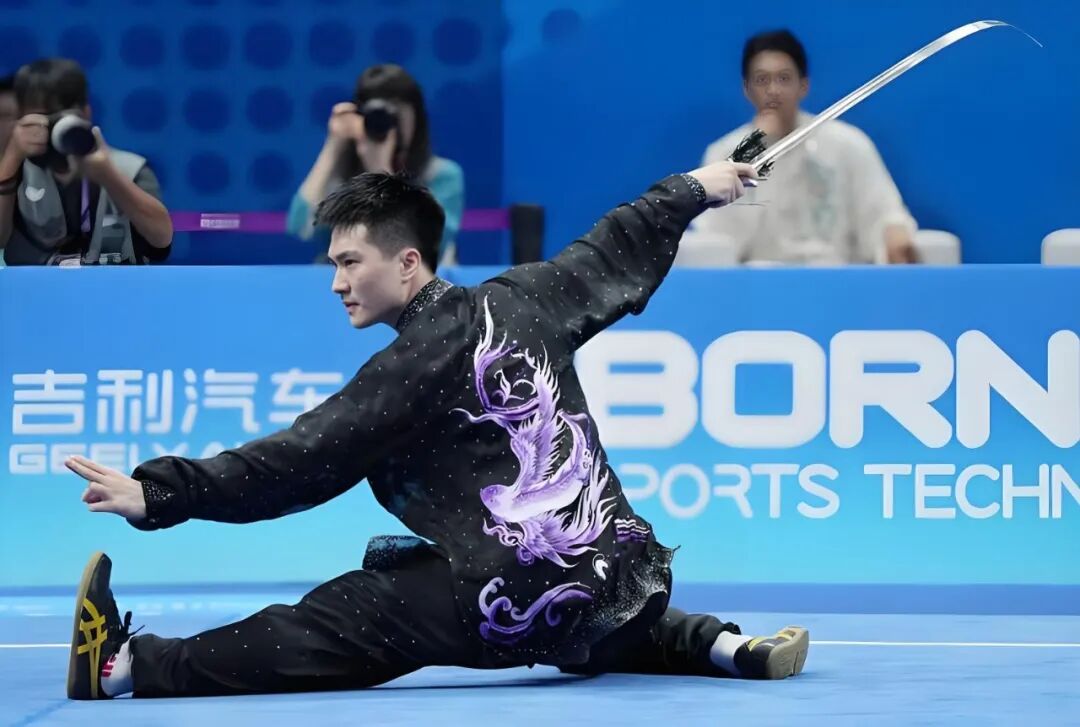
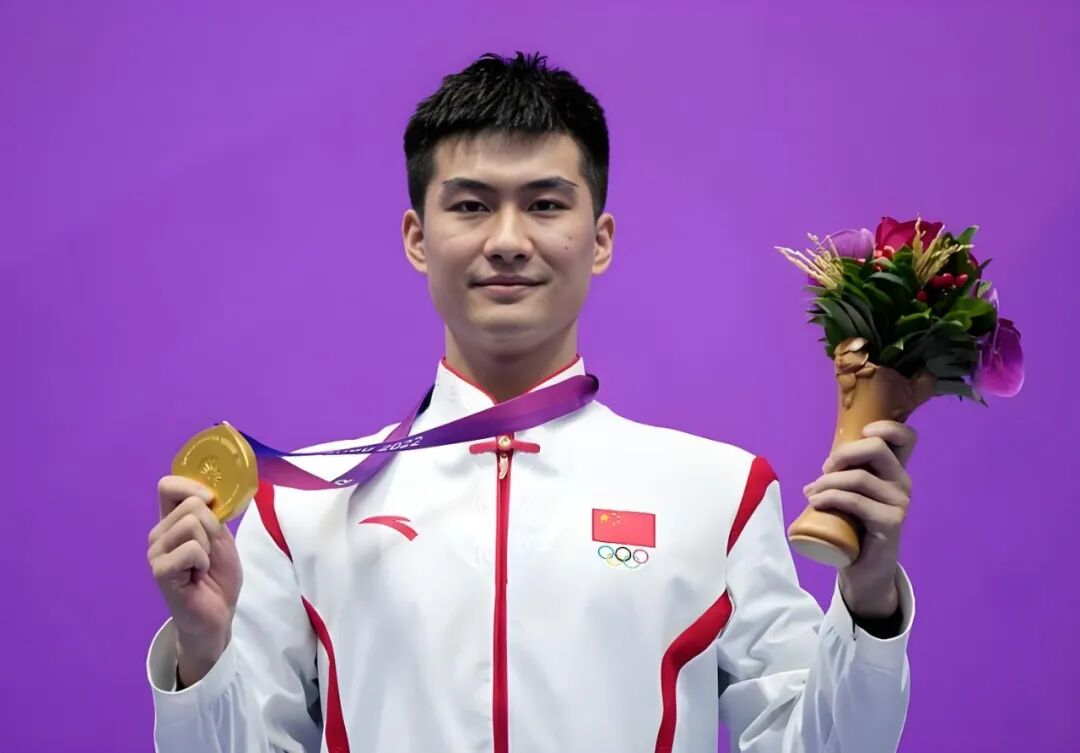
Looking back on the hardships and achievements of 2025, Haonan says, "This series of competitions this year not only made me more confident, but this confidence was accumulated gradually and solidly. Secondly, being able to communicate and discuss with outstanding athletes from all over the world has been another important source of my progress. Although everyone has different cultural backgrounds and different understandings of wushu and taiji, the love for wushu is shared. On the field, we are opponents, but we are also fellow learners. We exchange techniques and share experiences - each person's unique understanding has benefited me greatly. And when representing the Chinese team on the podium, the Five-Star Red Flag rose and the national anthem was played, filling my heart with pride and emotion. All the hardships in the past seemed to vanish in an instant, but at the same time, the responsibility on my shoulders became clearer and heavier. Because now, I am no longer just aiming to win for myself, but also hoping that through each of my performances, the world can see the charm of wushu and win glory for wushu."
Spread Wushu ·Share Friendship
In 2016 and 2017, Haonan performed "Spirit of China" at the Spring Festival gathering of the national wushu team and participated in "Pride of China" on the CCTV Spring Festival Gala. He said, "This experience was extremely precious to me. Performing in front of national leaders and representatives from all walks of life made me both nervous and proud. To achieve the best results, we underwent months of closed training - repeatedly refining the details of the movements every day, ensuring that each move was precise and each formation change was uniform. When performing the program "Spirit of China" at the Spring Festival Gala, we aimed to showcase the clean and powerful force of wushu and the profound and broad national spirit. At that moment of the performance, I incorporated all my love for wushu and my deep respect for the country into every movement. Although the rehearsal process for both important performances was very tough, like the program "Pride of China", we often rehearsed until late at night. But thinking of being able to showcase the charm of wushu to the audience across the country, all the efforts were worthwhile. These two experiences made me truly feel the cultural value and social influence of wushu, and also strengthened my determination to promote the culture of wushu."
In 2019, Haonan was honored as "Chinese taiji Star" by the "Chinese Wushu" magazine. He has also made multiple trips to Japan, France and other countries to promote wushu and contribute to the global dissemination and development of wushu. He said, "As a disseminator of wushu and taiji, I am both a practitioner and a bridge. First of all, one must constantly improve one's skills. Only by deeply understanding the essence of wushu and taiji and having a solid foundation of skills can one better showcase its charm to the world. Secondly, as a cultural transmitter, we not only need to teach technical movements, but also share the philosophical thoughts and cultural heritage behind wushu. Because many foreign friends may not fully understand the profound traditions carried by wushu, we need to help them realize that wushu is not only a sport, but also a way to cultivate oneself and an important carrier of Chinese traditional culture. In international exchanges, I have gradually realized that the dissemination of wushu should not be merely a one-way output, but a two-way dialogue. While we are presenting, we are also listening and learning. Such interaction can truly promote wushu to the world."
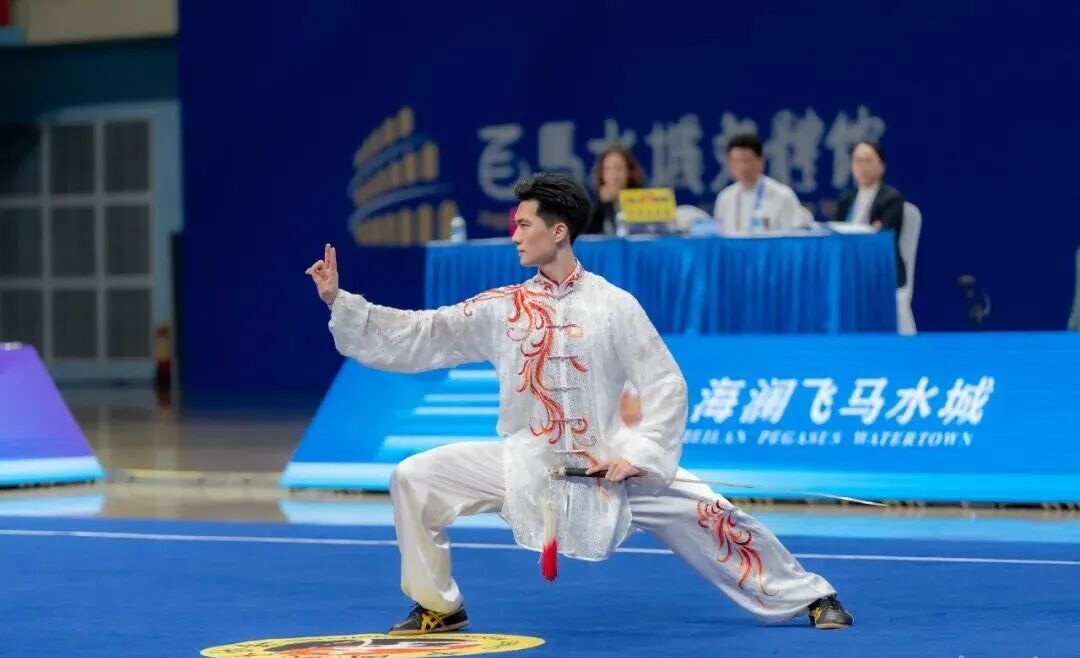
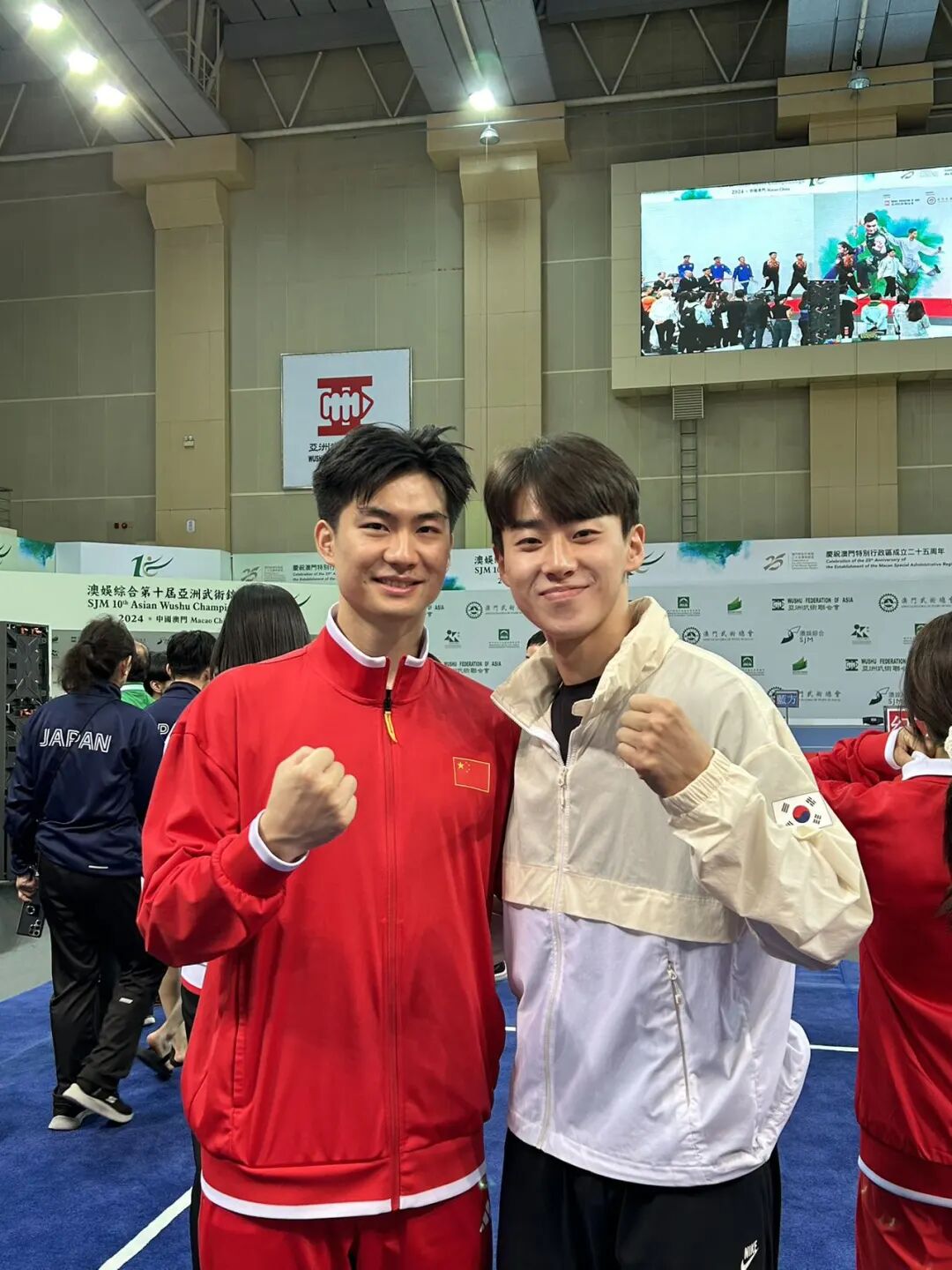
As a practitioner of international dissemination of wushu, Haonan has also made many friends. He says, "We have good relationships with many foreign athlete friends. After each competition, we always sit down to chat and discuss together. I cherish these moments very much because everyone has different understandings, and in the process of communication, I have also made progress. The only regret is that we rarely maintain daily contact in normal times; we can only meet and communicate when there is a competition. But this does not affect our friendship - every reunion is still as warm and natural as before. Perhaps, this is the significant meaning of wushu as a bridge."
Balance ·Gratitude ·Support
When discussing how to balance training and daily life, Gao Haonan says, "Since 2017 when I started studying at Jimei University, the 'Jiageng Spirit' has always inspired me and has been of great help to my subsequent training and growth. Currently, I am working at the Fujian Provincial Wushu Administration Center. I need to balance work, study and training on a daily basis. I believe that these three aspects are not separate - the key lies in reasonable time planning. During training, I give my all; during work and study, I am also focused and dedicated. They can actually promote each other." He further explained: "Whether it is the Jiageng Spirit or the insights gained during training, they have deepened my understanding of wushu and taiji. taiji is not only the cultivation of external skills, but also the refinement of internal thoughts. Life and training do not need to be completely separated. The insights gained at many moments in life can often be integrated into our understanding of wushu, thus forming a complete practice process."
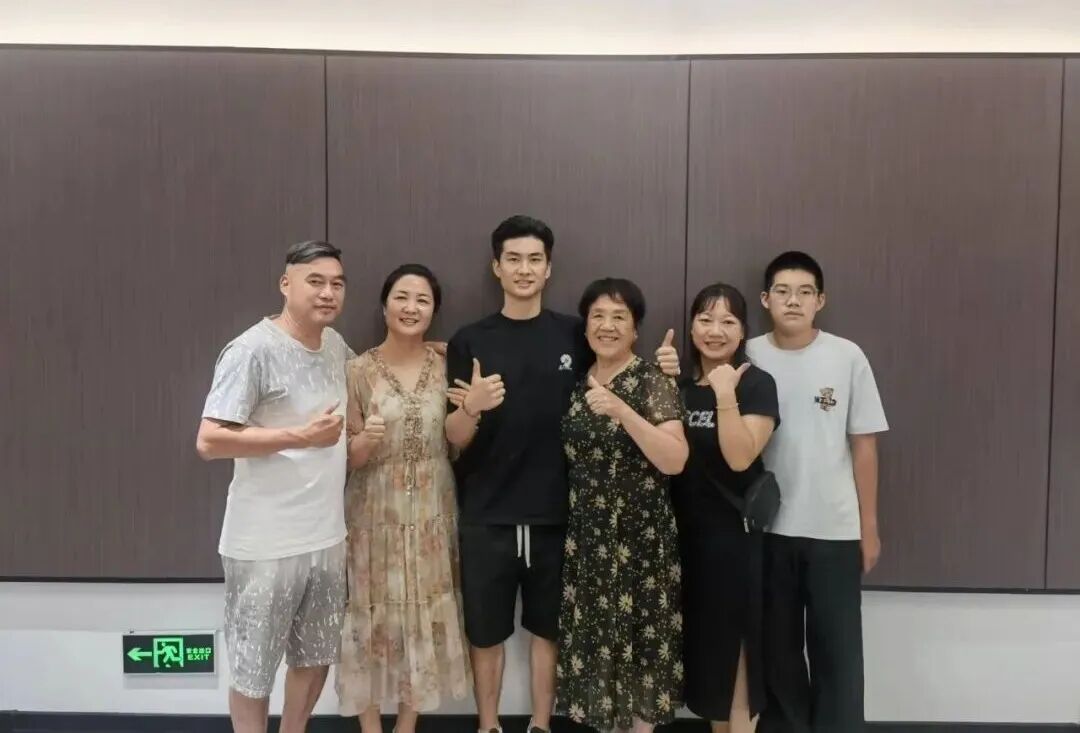
When it comes to the support from family during his sports career, Haonan says, “When my family saw me getting injured, of course they would feel sad. But all along, they have always supported me to keep going. My parents said the most frequently repeated words were: "Protect yourself during training and don't get injured. Also, take good care of your body in daily life." They never put any pressure on me, especially my mother, who always told me: "Just do your best and protecting yourself is enough." This sentence is particularly important to me - they didn't demand that I must achieve certain results, but they were silently supporting and encouraging me behind my back. It is precisely this understanding and companionship that has enabled me to keep going until today.”
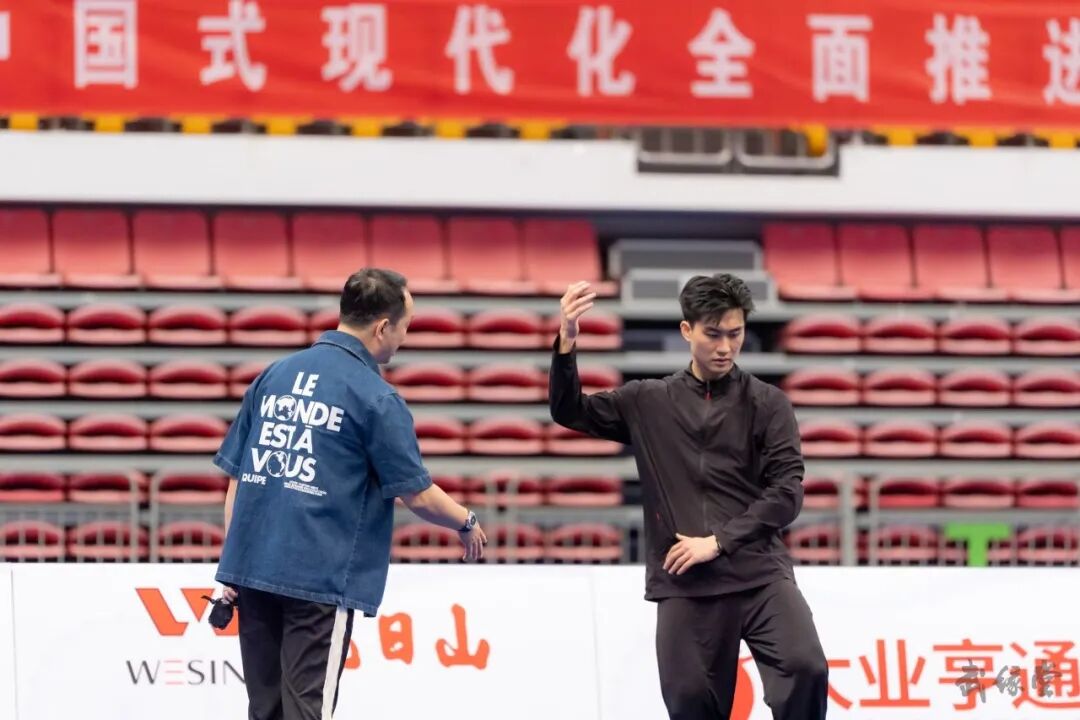
When asked about his memories of the coaches he had encountered along the way, Haonan recalls, "I thought that every coach I met along the way was of great significance to me. My mentor firmly believed that I was a person with potential and repeatedly urged my parents not to let me give up my wushu training - this initial persistence laid the most important foundation for me. During my time at the Fuzhou Sports School, the coaches were also exceptionally attentive to me, often sacrificing their rest time to provide me with one-on-one guidance. During that foundational stage, without their extra efforts and meticulous guidance, I couldn't have made such solid and rapid progress. After entering the provincial team, the guidance from the coaches reached a new level. They not only supported me in sticking to my choice but also gave me profound inspiration at the ideological level, enabling me to truly understand how to train and how to break through myself. It can be said that the efforts of every stage and every coach were indispensable. Without the cultivation and companionship of any of them, I wouldn't be who I am today."
Music ·Emotion ·Tone
Discussing the musical arrangement of the competition routines, Haonan explains, "Our process is usually to first communicate with the music teacher, explaining our musical preferences, as well as the competitive state and emotional tone we want to express through the movements. Then, I will roughly outline the framework of the routine in my mind, and the teacher will then create the music based on these ideas. Of course, the music teacher will also incorporate their own understanding and creativity, so the initial music version usually has some differences from my conception. Once the music is determined, we need to adjust the details of the movements to match each rhythm point and emotional ups and downs of the music. The entire process is actually a two-way adjustment and gradual improvement, a process of continuous integration and repeated adjustments.”
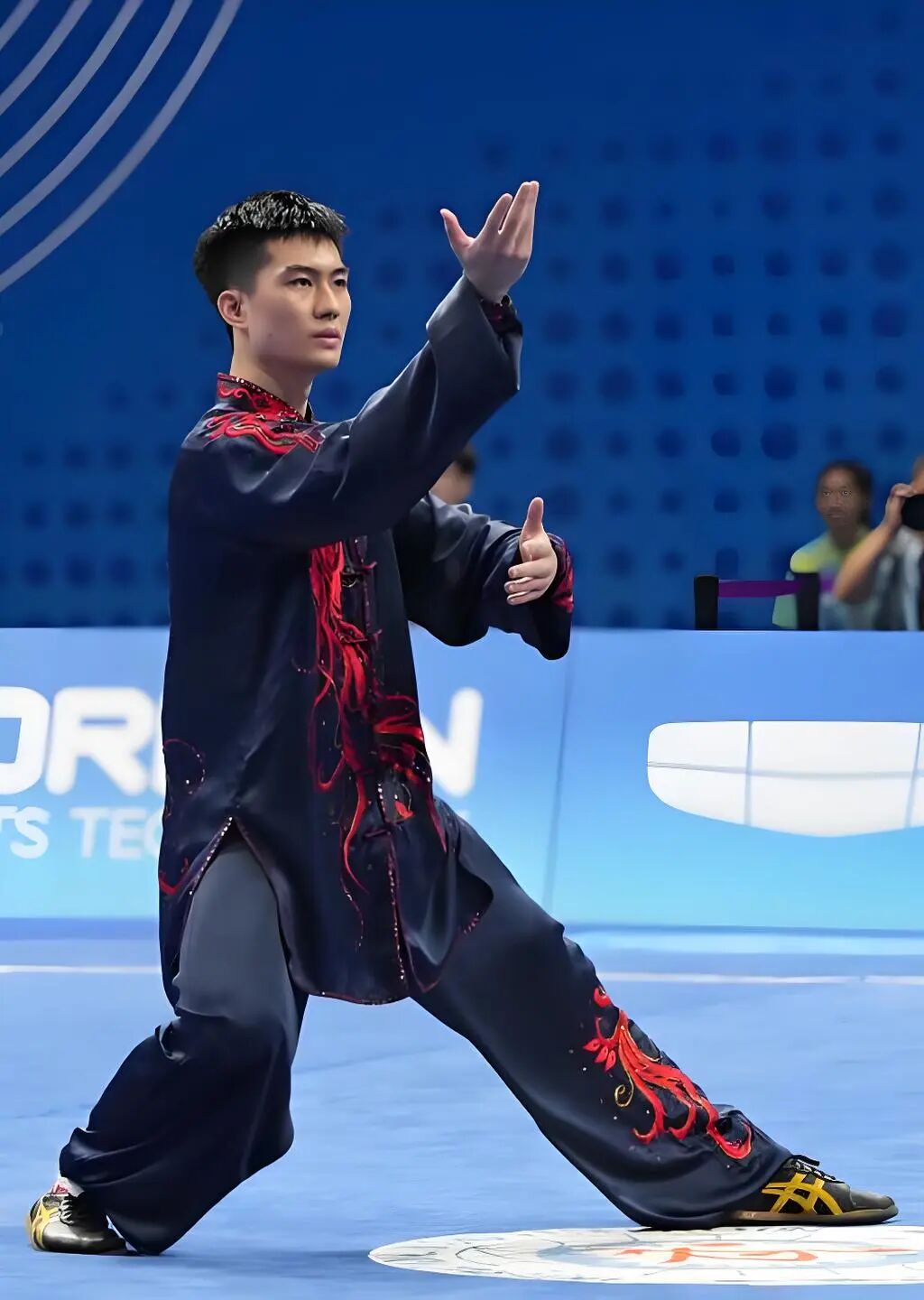
“In terms of expression,” Haonan adds, “taijiquan and taijijian are different. First, the theme and emotional tone of the music are different. taijiquan pays more attention to rhythm changes and visual tension, and the combination of fast and slow movements in the actions will be more diverse, and the overall visual effect will also have more ups and downs. While taijijian focuses more on the presentation of sword techniques and skills. Because the hand holds the sword, the distance for force transmission is longer, and the movements are more expansive, and the overall style is a combination of hardness and softness. In comparison, the rhythm transitions of taijijian may not be as frequent as those of taijiquan, but through the extension of the sword, the expression of the movements will appear more stable and expansive. "
Faith ·Heritage ·Mission
About the impact of wushu on his life, Haonan muses, "The influence of wushu on my life is profound. It not only shaped my physique, but also my personality. Echoing the saying, 'Practicing wushu requires first cultivating virtue,' wushu first taught me perseverance - starting from the age of four, the twenty-year training journey was full of hardships, but it was this perseverance that led me to where I am today. Wushu also taught me humility: no matter what achievements I have made, I must remain humble and keep learning and constantly improving. More importantly, wushu has given me the sense of responsibility. As a wushu athlete, we not only have the responsibility to win for our country, but also the mission to inherit the wushu culture. Now, wushu has become part of my blood and an indispensable part of my life. It influences my way of thinking and shapes my behavioral habits."
Haonan also shares his outlook on the future development of wushu, noting, "I am fully confident in the development of wushu. Nowadays, wushu is receiving increasing attention from more and more people. Not only is the professional competitive level continuously improving, but the participation from the general public is also getting higher and higher, especially among the youth group, where the enthusiasm for learning wushu has significantly increased. In the next ten years, with more diverse dissemination methods and increasingly scientific training systems, the professionalism and popularity of wushu will further improve, and it is expected to become a choice for more people for fitness and self-cultivation. At the same time, the international influence of wushu is constantly expanding. More and more countries and regions are beginning to value this sport, and the attention to various international events is also increasing. I believe that through more international exchanges, event promotion and cultural dissemination, wushu will be understood and loved by more people, and become a bridge connecting different cultures."
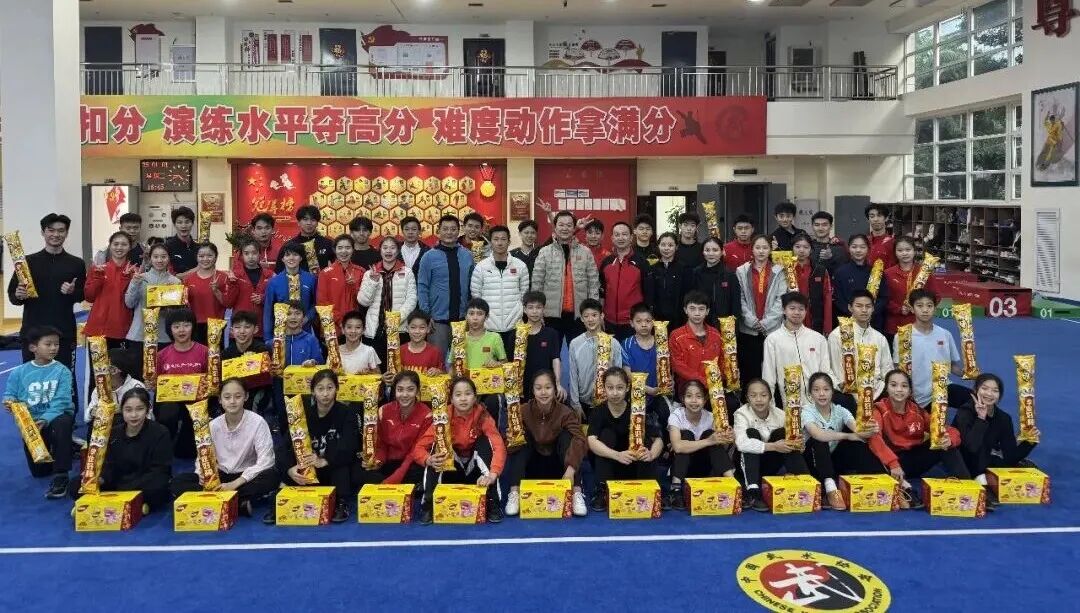
When it comes to the inclusion of wushu in the Youth Olympic Games, Haonan says, "I feel extremely excited and proud. This is a significant milestone in the development of wushu, indicating that wushu has officially gained recognition from the international Olympic family and provides a broader platform for the international promotion of wushu. The Youth Olympic Games are aimed at the youth population, which can enable more young people to come into contact with and understand wushu, stimulating their interest in wushu and cultivating more talents for the future of this sport. At the same time, this also allows the world to see that wushu is not only a sport but also a profound culture. I believe this will strongly promote the popularization and development of wushu worldwide."
“Regarding future plans,” Haonan says, “my short-term goal is to participate in the 2026 Asian Games and more international competitions. Every time I stand on the international stage, it is a valuable experience for me to break through myself. Of course, I will strive to achieve better results, but the significance of the competitions goes beyond this - they are also important windows for showcasing wushu to the world. In the long term, my ultimate goal is to achieve a grand slam in the wushu category. I will take one step at a time, work steadily forward, and move forward firmly towards this dream. I believe that every appearance in international competitions can contribute to spreading wushu to some extent."
As a guardian of wushu, Haonan wants to say to the younger wushu practioners who would come after him: "wushu have given me much more than just skills; they have also shaped my spirit. If there is a chance to teach something in the future, I hope to first pass on this spirit: perseverance, striving for excellence, humility and peace. This is both the essence of wushu and the inner wealth I want to leave for you. In specific training, what I can do is to share with you, without reservation, my understanding of wushu and taijiquan as well as the detailed movements I have observed and comprehended. Because only by sincerely passing it on can the life of wushu continue. May you not only master every move, but also take on this cultural mission, so that wushu can be carried forward more steadily and further by us, the generation of today."